What a therapist-in-training learned from a forest encounter and how you can reclaim your calm when fear shows up in your own life
Picture this: You’re walking through a forest, enjoying nature, when suddenly—snake. Your body floods with terror. Your mind screams danger. Reality warps. Sound familiar?
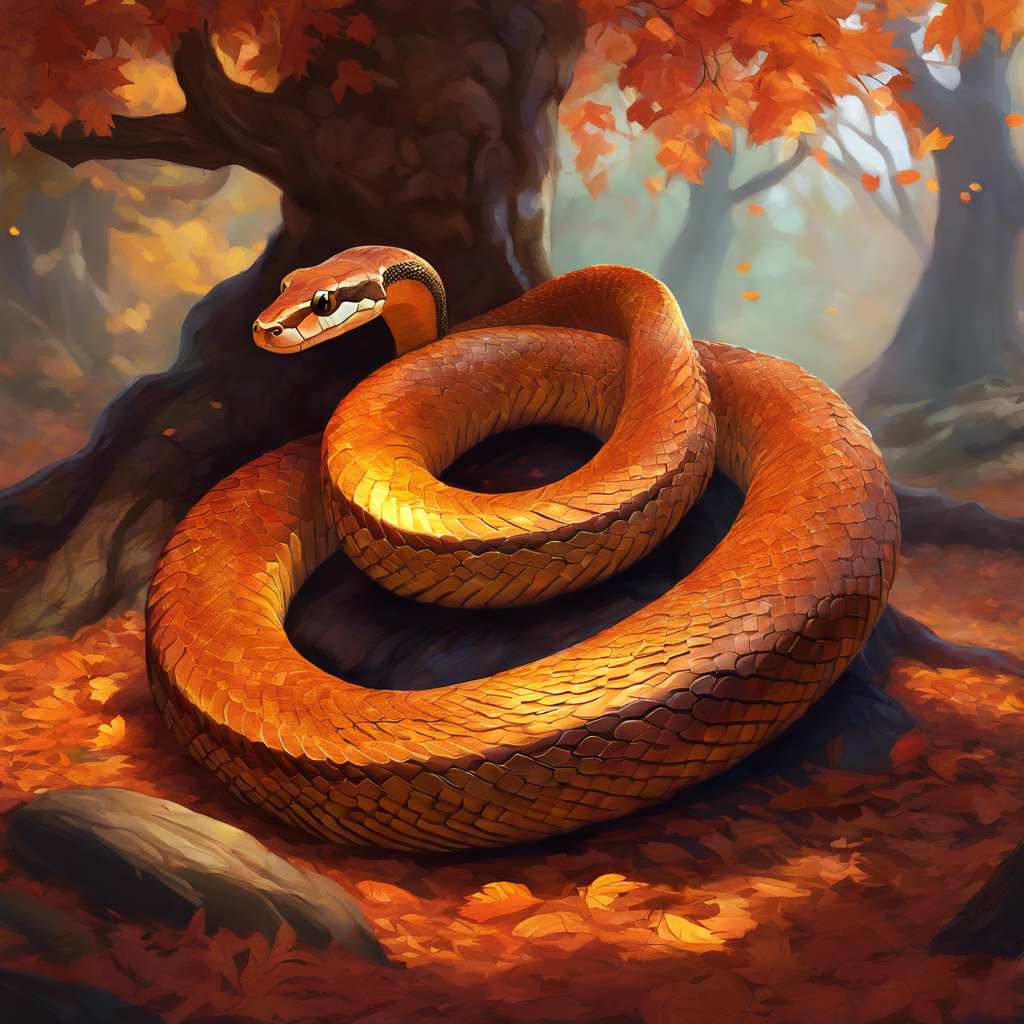
Image created with DALL-E 3 via ChatGPTAs a psychotherapist in training, I recently lived this exact moment. My reaction was pure, primal fear. Past experiences (and perhaps a few too many Bollywood movies!) transformed a harmless creature into a menacing threat. My heart raced, my breath shortened, and my mind conjured worst-case scenarios.
Later, exhausted and emotionally drained, a friend gently pointed out the snake’s likely harmlessness. I chose silence over argument, but inside? I was spinning. How had my fear so completely hijacked my reality?
The Plot Twist: Fear Doesn’t Protect Us—It Distorts Us
Here’s what they don’t teach you in textbook chapters about anxiety: Fear doesn’t just make us feel bad; it literally rewires how we see the world. When we’re afraid, our brains pull off an incredible magic trick—except instead of entertaining us, it terrifies us.
Research shows that fear fundamentally alters our perception:
We become terrible mathematicians. Suddenly, a 0.01% chance feels like 99.9%. That rustling bush? Definitely a predator. That unanswered text? Obviously they hate you now.
Our vision literally narrows. I was so fixated on that snake, I forgot I was in its home. I missed the beauty of the forest, the fact that it was more afraid of me, the statistical improbability of an attack.
Objects shapshift in our minds. Studies show our brains can make threatening things appear physically larger. My garden snake probably morphed into an anaconda. (Your unopened email from your boss? Probably looks like a termination notice right about now.)
Our thinking brain goes offline. The prefrontal cortex—responsible for logic and reason—takes a backseat to the amygdala, our emotional alarm system. No wonder I couldn’t think straight.
What’s Your Snake?
Maybe your snake isn’t slithering through a forest. Maybe it’s:
- The networking event where everyone seems more qualified
- The text conversation that suddenly goes quiet
- The presentation that could “make or break” your career
- The vulnerability of sharing your real self with someone new
- The doctor’s appointment you’ve been postponing
Whatever form it takes, we all have our snakes—those moments when fear transforms reality into something far more terrifying than truth.
The Ripple Effect Nobody Talks About
When fear dictates our actions, the damage extends beyond our racing hearts:
We hurt the people we love. My fear could have easily sparked an argument with my friend. How often do we lash out at others when we’re really just scared?
We create what we fear. My panicked reaction likely terrified that snake. Our fear-driven behaviors often provoke the very outcomes we’re trying to avoid. Act like someone’s going to leave you? They might. Assume you’ll fail? You probably will.
We miss the beauty. While I was busy being terrified, I missed the incredible fact that I was witnessing nature up close. What moments of wonder are you missing while fear has you in its grip?
From Fear-Distorted to Clear-Sighted
Here’s the game-changing question my supervisor taught me to ask: “Is this fear based on current reality or past programming?”
Just like in my last blog about the empty waiting room, I’m learning that our biggest challenges often carry our biggest lessons. That snake taught me something no textbook could: Fear is a liar with a convincing story.
Your Fear-Facing Toolkit
Ready to recalibrate your vision? Try this:
- Name the snake: What specifically are you afraid of? Get detailed. “I’m afraid of snakes” becomes “I’m afraid a snake will bite me because I saw it happen in a movie once.”
- Reality-check the story: What are the actual statistics? What evidence do you have? Is this fear or wisdom talking?
- Choose one brave act: You don’t have to wrestle the snake. Maybe you just stand still instead of running. Maybe you ask for more information. Maybe you breathe before reacting.
The Courage to See Clearly
Facing our fears isn’t about becoming fearless—it’s about becoming fear-smart. It’s recognizing when our internal alarm system is having a false alarm and choosing to investigate rather than evacuate.
Just as exposure therapy helps people overcome phobias, each time we pause and question our fear, we literally rewire our brains. We restore harmony not by eliminating fear but by putting it in its proper place—as information, not instruction.
So the next time you encounter your own “snake in the forest,” remember: Your fear is showing you a distorted reality. Take a breath. Challenge the story. Choose curiosity over panic.
You might discover that what looked like a monster was just another creature, equally scared, trying to find its way home.
And sometimes? That’s the most liberating discovery of all.
Remember: While everyday fears can distort our reality, persistent anxiety that interferes with daily life deserves professional support. There’s no shame in seeking help to recalibrate your vision.
#FearIsALiar #SnakeInTheForest #TherapistInTraining #CuriosityOverPanic #ClearSightedLiving