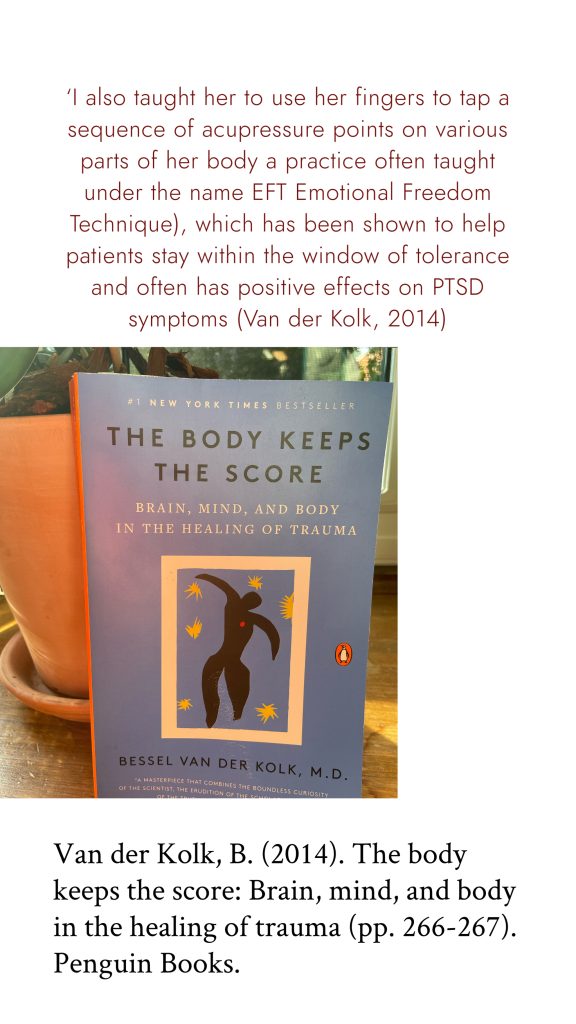
Editorial on “The Body Keeps the Score” by Bessel van der Kolk
In the intricate tapestry of mental health, few works resonate as profoundly as Bessel van der Kolk’s “The Body Keeps the Score: Brain, Mind, and Body in the Healing of Trauma.” This book is not merely a scholarly text; it is a heartfelt exploration of the human experience, emphasizing the resilience and strength within us, much like the love and light that shape our journeys.
Overview of the Book
Since its publication in 2014, “The Body Keeps the Score” has become a beacon for those navigating the complex terrain of trauma. Through decades of research and personal insights, van der Kolk unveils how trauma touches not just the mind but also the very fabric of our being. He reminds us that healing is not solely an intellectual endeavor; it requires a holistic approach that honors the intertwined nature of our emotions, bodies, and relationships.
Key Themes
- The Impact of Trauma on the Brain:
Van der Kolk artfully illustrates how traumatic experiences reshape our brains, affecting our ability to process emotions and memories. This neurological perspective invites readers to understand that the journey of healing requires patience and compassion for oneself. - Somatic Experiences:
At the heart of van der Kolk’s message lies a profound acknowledgment of the body’s wisdom. He emphasizes that trauma leaves its mark on our physical selves, urging us to embrace somatic practices that reconnect us with our bodies, much like the vibrant colors of love and light that my grandmother gifted me on my journey. - The Importance of Connection:
Just as familial bonds and loving relationships provide strength, van der Kolk highlights the critical role of connection in the healing process. He shares stories of resilience and community, encouraging us to seek support and nurture our relationships, echoing the warmth and love that empower us to shine brighter. - Innovative Treatment Approaches:
Van der Kolk introduces a variety of therapeutic modalities that extend beyond traditional methods. From yoga to EMDR, he presents a spectrum of healing practices that affirm the importance of integrating body and mind, guiding us toward a more comprehensive understanding of recovery.
Conclusion
“The Body Keeps the Score” serves as a powerful reminder that healing is a journey—a journey filled with love, light, and unwavering strength. Van der Kolk’s compassionate approach inspires us to embrace our vulnerabilities and recognize the profound impact of trauma on our lives. For psychotherapists and individuals alike, this book offers a roadmap for understanding and healing, inviting us all to color our worlds with hope and connection.
Recommendation
For those seeking to deepen their understanding of trauma and embark on a healing journey, “The Body Keeps the Score” is an essential read. It empowers us to acknowledge our struggles, just as I learned to cherish the gifts of love and resilience from my own family. In the spirit of connection and growth, let us honor the light within us and embrace the transformative power of healing.